
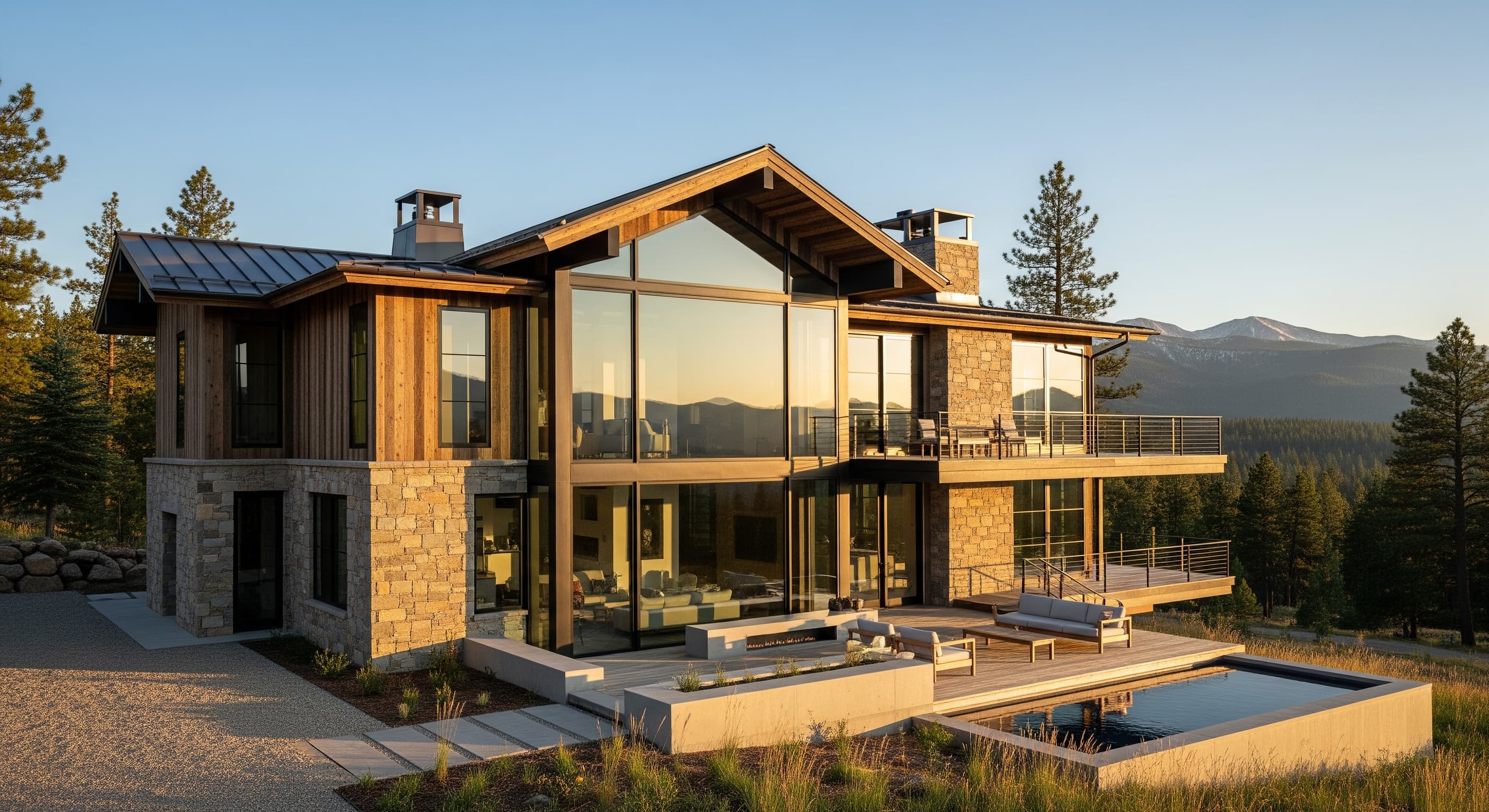
When should you list your Truckee home to get the most eyes and the strongest offers? In a mountain market shaped by snow, tourism, and second-home demand, timing matters more than you think. You want to launch when your ideal buyers are in town, your property shows at its best, and your marketing assets match the season. In this guide, you’ll learn how Truckee’s seasonality works, which months deliver the right traffic for your property type, how to prepare for winter or summer showings, and how to plan a month-by-month timeline that maximizes visibility. Let’s dive in.
What drives exposure in Truckee
Truckee sits at high elevation with long winters and heavy snow. Weather affects access, curb appeal, and even which features are visible. Driveways and walkways need to be cleared in winter, and spring thaw can leave yards muddy and landscaping dormant. That changes how buyers experience your home.
You also get two photogenic seasons. Winter snow can make a chalet glow for ski-focused buyers. Mid to late summer showcases decks, landscaping, and lake or mountain views. If your home’s value leans on outdoor spaces or views, summer imagery helps. If it leans on ski access and winter systems, snow-season photos can be compelling.
Finally, Truckee’s buyer mix shifts by month. Ski and second-home buyers are very active in winter. Local and relocation buyers tend to move in late spring and early summer. Summer tourism keeps traffic high for second-home and lifestyle buyers. Your ideal window depends on which group you want to attract.
Pick the best window by buyer profile
Winter ski season (December to March)
If your property highlights proximity to slopes, gear storage, and winterized systems, winter traffic can be ideal. Ski visitors are in town on weekends and holiday weeks. They move quickly when a listing fits their trip timing and needs.
Plan for showings on peak weekends and keep access simple. Make your marketing speak to ski convenience, reliability in snow, and cozy interiors. If you have ski-in or near-resort advantages, lead with those.
Spring to early summer (April to June)
As snow recedes, more buyers start their search. Late spring brings easier logistics, better access, and increased activity from buyers who plan moves around mid-year. If your home’s appeal depends on outdoor living, late May and June often show it best.
Expect stronger competition in this window. Launch with complete prep, polished pricing, and high-quality visuals. If yards are still recovering in April, emphasize interiors and systems while you finalize exterior work.
Peak summer (July to August)
Summer tourism brings steady traffic. Buyers see decks, trails, and lake days in full swing. If your home shines in warm weather and outdoor living, this is a powerful window.
Use lifestyle-forward marketing and flexible showing times. Weekend visibility matters. Keep landscaping dialed and outdoor areas staged for entertaining.
Early fall (September to October)
Early fall can be a sweet spot for motivated buyers who want to close before winter. Weather is comfortable and competition may be lighter than spring.
If your home’s strengths include privacy, insulation, and winter readiness, highlight those as temperatures drop. Capture late-summer photos before the first storms.
Holiday periods
Holiday weeks can be hit or miss. Some buyers are in town and ready to act, especially around early winter storms. Others are focused on travel. If you launch near a holiday, do it with a clear showing plan and realistic expectations. Listings that target ski-season buyers may benefit from going live before peak ski weeks.
Prep that matches the season
Winter access and safety
- Keep driveways and walkways fully plowed and sanded.
- Provide parking and clear house numbers.
- Stage with warm lighting, rugs, and a welcoming entry for wet gear.
- Call out winterized systems like insulated plumbing, reliable HVAC, or heated surfaces.
Spring thaw curb appeal
- Repair landscaping once ground conditions allow.
- Address grading where snowmelt creates muddy areas.
- Clean decks and exterior glass to restore views.
- Delay exterior-first marketing until yards recover.
Systems and inspections for mountain homes
Pre-list inspections reduce buyer uncertainty. Roof, chimney, HVAC, foundation, and freeze-related systems often deserve a proactive check. If your property has a well or septic system, consider pre-list inspections and share maintenance records. Clear documentation smooths negotiations.
Short-term rental permits and disclosures
Buyers often ask about short-term rental potential. The Town of Truckee has local regulations, permits, and occupancy limits. If your property holds a permit or has rental history, organize proof of compliance. California sellers must also provide required disclosures, including natural hazard reports (fire, flood, seismic zones). Truckee is commonly in wildland-urban interface areas, so clarity here supports buyer confidence.
Photography strategy
- Winter visuals: Think snow-laced exteriors, night shots with warm glow, and ski-lifestyle moments.
- Summer visuals: Highlight decks, landscaping, and view corridors to Lake Tahoe or surrounding peaks.
- Cross-season plan: If possible, capture both. A year-round media library helps you match buyer interests.
- Drone and aerials: Aerial context is valuable. Operators must follow FAA rules and any local restrictions. Confirm compliance before you fly.
Pricing and launch strategy
Watch real-time market metrics
Inventory levels and mortgage rates influence pricing power. Before you pick a launch week, review current local data like active listings, new listings per week, median days on market, and sale-to-list ratios. This helps you decide whether to price aggressively, match the market, or position for a premium based on scarcity.
Time your first week carefully
First impressions compound. Aim for a clean, on-time launch with complete disclosures, polished media, and a flexible showing calendar. If you target winter buyers, align with known peak weekends. For summer buyers, consider Thursday launches to capture weekend traffic.
Open houses and broker tours
Schedule around high-traffic periods and local events that bring visitors to town. Avoid major holidays when many people are away. In winter, provide detailed access instructions and generous buffers for travel delays.
Showings for out-of-town buyers
Many prospects visit on tight schedules. Offer virtual tours and flexible windows. Keep entry simple with clear instructions and well-lit access points.
Compass Concierge and private exposure choices
When Concierge makes sense
If you plan targeted upgrades before launch, Compass Concierge can be a useful tool. Qualifying improvements and staging may be funded up front and repaid at closing. Terms, eligibility, and scope vary, so confirm details with your agent. Focus on high-ROI items for mountain homes, such as roof or structural repairs, kitchen refreshes, and improvements that enhance winter access and safety.
Private exposure vs. public launch
If privacy is a priority, you can explore a limited-release path before going fully public. A curated approach can test pricing, invite qualified interest, or satisfy discretion needs. When you are ready, shift to a public launch timed to your best seasonal window.
Month-by-month Truckee checklist
Use this to plan your prep and launch. Adjust for year-to-year weather and market conditions.
December
- Pros: Ski-season buyers are active; holiday weeks can bring serious visitors.
- Cons: Holiday schedules limit routine showings.
- Tasks: Clear snow and ice, stage for winter comfort, confirm availability on peak ski weeks.
January
- Pros: Post-holiday ski traffic resumes.
- Tasks: Maintain snow management, gather service records for heating and roof, schedule interior touch-ups.
February
- Pros: High ski traffic around school breaks.
- Tasks: Emphasize ski access and winter systems, stay flexible on weekend showings.
March
- Pros: Ski activity continues; some buyers plan spring closings.
- Cons: Variable weather can affect curb appeal.
- Tasks: Capture both winter and early-spring photos if possible.
April
- Pros: Local buyers engage; access improves.
- Cons: Snowmelt may create muddy yards.
- Tasks: Focus on interiors while landscaping recovers; prep disclosures.
May
- Pros: Prime spring window; yards green up.
- Tasks: Finalize upgrades, refresh landscaping, collect summer-ready photos for June.
June
- Pros: Strong showability and moving logistics.
- Tasks: Stage outdoor areas, schedule weekend open houses for visitor traffic.
July
- Pros: High summer tourism sustains demand.
- Cons: Vacations create inconsistent schedules.
- Tasks: Target second-home and rental-focused buyers; keep showing options open.
August
- Pros: Continued summer demand with full amenities on display.
- Tasks: Maintain landscaping, keep decks and outdoor living areas in top shape.
September
- Pros: Motivated buyers aim for fall closings.
- Tasks: Capture late-summer imagery, start messaging around winter readiness.
October
- Pros: Attractive fall curb appeal; less competition than spring.
- Cons: Activity tapers toward holidays.
- Tasks: Highlight insulation, HVAC servicing, and winter prep.
November
- Pros: Some buyers want year-end decisions.
- Cons: Pre-holiday slowdown and limited showing windows.
- Tasks: Avoid listing during major holidays unless targeting early ski-season buyers; document winter systems.
Two timing scenarios to consider
Ski-forward chalet near major resorts
- Best window: January to February.
- Why: Peak ski traffic, buyers in town, strong interest in turnkey winter readiness.
- Plan: Winter media set, snow-management strategy, weekend show access, pricing aligned with limited ski-in proximity.
View-centric home with expansive decks
- Best window: Late May to July.
- Why: Landscaping and views help drive value; buyers can experience outdoor living first-hand.
- Plan: Summer media set, refreshed planting and deck maintenance, weekend open houses for visitors, clear positioning on lifestyle features.
Next steps
Your ideal launch date depends on your property, target buyers, and current inventory. Start with a clear goal: maximum net proceeds, fastest sale, or privacy. Then build a seasonal plan that matches your objectives, complete with the right media, disclosures, and showing strategy. If you want help sequencing upgrades, staging, and timing across Truckee’s dual seasons, reach out. You will get a focused plan for preparation, pricing, and distribution.
Ready to map your best listing window and marketing plan? Connect with Scott Beenk to Schedule a Consultation.
FAQs
What is the best month to list a Truckee home?
- It depends on your property and target buyers. Ski-focused homes often perform well in January and February, while view and outdoor lifestyle homes shine in late spring and early summer.
Should I wait for summer photos before listing?
- If your value relies on landscaping, decks, or views, summer photos help. For ski-forward homes, winter imagery can be just as effective. When possible, capture both.
How does snow affect showings in Truckee?
- Snow impacts access, parking, and curb appeal. Plan for plowing, safe walkways, and flexible timing around storms. Clear instructions and buffers reduce friction for buyers.
Do I need special disclosures for a Truckee sale?
- California requires standard disclosures, including natural hazard reports. In Truckee, buyers also care about fire-risk context, well or septic documentation, road maintenance details, and any short-term rental permits.
Is Compass Concierge worth it for pre-list improvements?
- It can be, especially for targeted upgrades that remove buyer objections. Eligibility and terms vary, so review the scope and repayment at closing with your agent before you commit.
Can I list privately before going public?
- Yes, a limited-release approach can preserve privacy and test pricing. When the timing is right, you can shift to a public launch aligned with your best seasonal window.