
How To Choose the Right Incline Village Neighborhood

How to Choose an Incline Village Luxury Home Neighborhood

What matters most to you in Incline Village: a private dock at sunrise, an easy walk to dinner, or a quiet forest hideaway after a powder day? Your answer points to very different micro-neighborhoods. Choosing well comes down to views, access, HOA structure, rental rules, and long-term ownership costs. In this guide, you will compare lakefront, lower incline, and upper mountain areas, learn what to verify before you write an offer, and get a practical checklist to focus your search. Let’s dive in.

Start with your priorities

Before you compare streets, set hard requirements and nice-to-haves. This helps you rule out entire zones quickly.

  • Must-have features: direct lake access, minimum bedrooms, lot size, or privacy level.
  • Lifestyle drivers: boating, skiing, trail access, in-town dining, or quiet retreat.
  • Ownership goals: personal use only or some rental income, low-maintenance lock-and-leave, or a legacy property.
  • Financial lens: total cost of ownership, HOA dues, and insurance appetite. Nevada has no state personal income tax, but property taxes, assessments, and local lodging taxes still apply.

Lakefront: ultimate Tahoe access

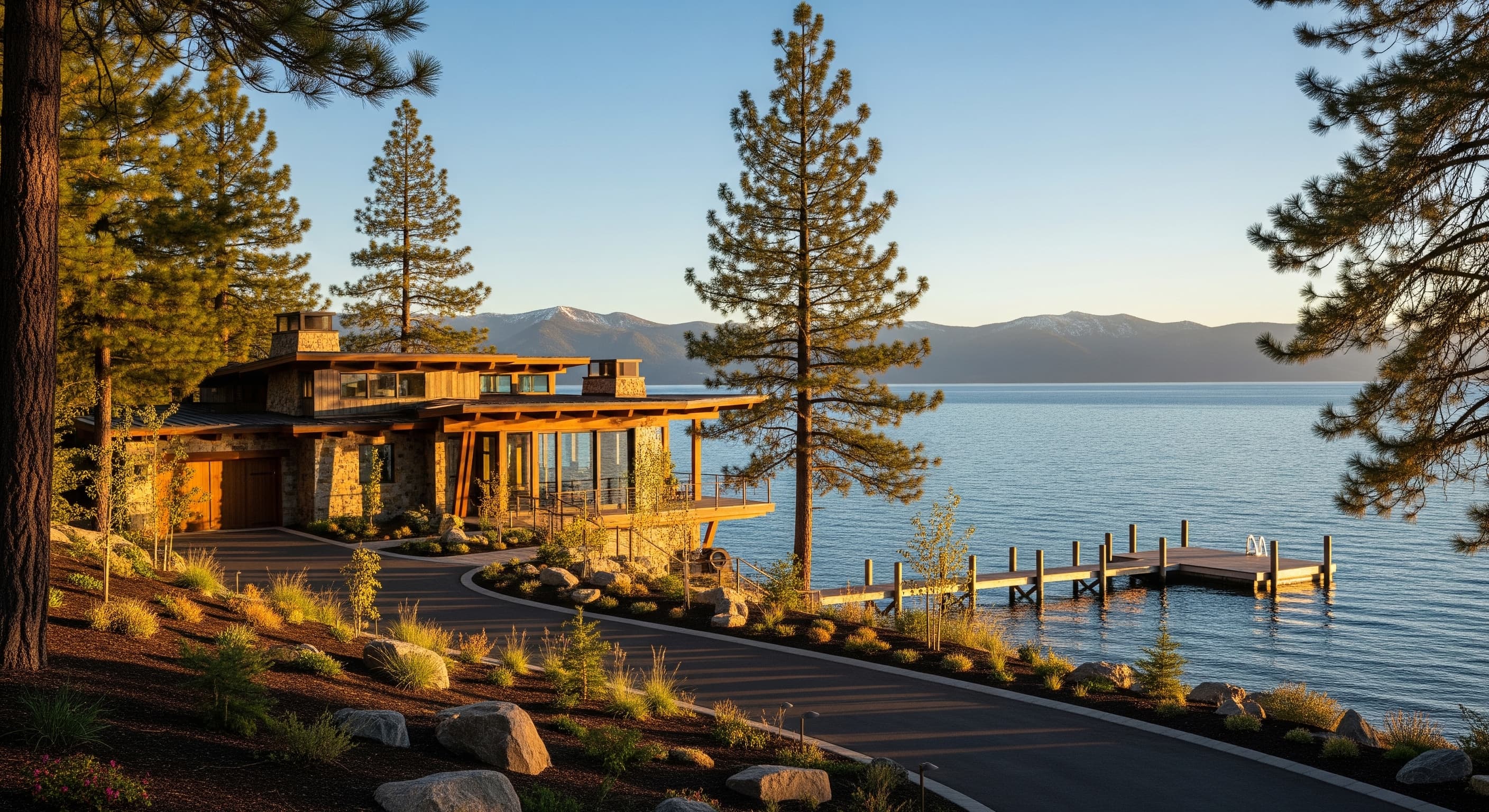
If you want the water at your doorstep and panoramic views, lakefront is the top tier.

What you can expect

  • Direct shoreline or immediate proximity to Lake Tahoe, often on larger or combined parcels.
  • Unobstructed lake views with sunrise or sunset aspects. Some properties have private shoreline improvements or docks where legally permitted.
  • Prestige, privacy, and the strongest appeal to high-end buyers.

Who it fits

  • You value maximum view, private beach access where legal, and are comfortable with higher acquisition and maintenance costs.
  • You want long-term appreciation potential and are open to detailed shoreline permitting.

Strengths

  • The best lake exposure and immediate water access.
  • Strong desirability for future resale and, if allowed, premium rental demand.

Watch-outs and due diligence

  • Inventory is scarce and pricing is the highest band in Incline Village.
  • Shoreline work is tightly regulated. Verify any Tahoe Regional Planning Agency and local shorezone approvals, historical erosion mitigation, and allowable improvements before planning changes.
  • Check flood setbacks, erosion controls, and utility or septic constraints on older parcels.
  • Insurance and ongoing maintenance for decks, seawalls, and shoreline structures can be meaningful.

HOA and IVGID notes

  • Many lakefronts are private lots or small HOAs. Confirm Incline Village General Improvement District property-owner status and any private versus public beach easements tied to the parcel.

Lower Incline: in-town convenience

For easy access to beaches, the village core, and Diamond Peak’s base, focus on lower incline.

What you can expect

  • Close proximity to restaurants, grocery, schools, IVGID beaches, and services.
  • A mix of single-family homes, townhomes, and condos with varied HOA structures.

Who it fits

  • You want a walkable lifestyle and simple year-round access with less challenging winter driving.
  • You prefer quick trips to the rec center, golf, and dining.

Strengths

  • Shorter drives to amenities and typically faster emergency response.
  • More options for rental-friendly properties and better year-round marketability.

Watch-outs and due diligence

  • Views are often partial or filtered, not as dramatic as lakefront.
  • Expect more seasonal activity and traffic near beaches and the village core.
  • HOA fees and rules vary widely. Some communities have rental limits or higher assessments, so review documents closely.

HOA and IVGID notes

  • Most property owners in Incline Village have IVGID assessments and privileges. For attached homes, review HOA governing documents, reserve studies, and rental rules before committing.

Upper mountain: privacy and forest setting

If you want seclusion, starry nights, and trail access, the upper elevations deliver a retreat feel.

What you can expect

  • Wooded lots, higher elevation, and more private driveways or setbacks.
  • Resort-style homes with treed or panoramic views, often at a lower cost per square foot than direct lakefront.

Who it fits

  • You prefer quiet, space, and a forest backdrop over immediate shoreline access.
  • You value proximity to backcountry trails and a true mountain setting.

Strengths

  • Greater privacy with potential for larger lots and retreat-style layouts.
  • Scenic views and a sense of separation from peak-season bustle.

Watch-outs and due diligence

  • Longer drives to beaches and services, plus steeper, curvier roads that can be challenging in winter.
  • Increased snow removal and road maintenance considerations.
  • Wildfire exposure, defensible space compliance, and potential insurance impacts require early attention.

HOA and IVGID notes

  • Expect smaller HOAs. IVGID privileges typically still apply, but the value depends on your distance to specific facilities. Verify who maintains roads and handles snow removal.

Compare key factors

Use these lenses to pressure test your short list across lakefront, lower incline, and upper mountain.

  • Views and orientation: lakefront has the most expansive vistas, lower incline offers mixed or partial views, and upper mountain features treed and night-sky views.
  • Access and convenience: lower incline is closest to services and beaches, lakefront varies by parcel, and upper mountain trades convenience for privacy.
  • HOA structure: condos and townhomes cluster in lower incline, small HOAs or private lots are common lakefront and upper mountain. Always read CC&Rs.
  • Price and liquidity: lakefront sits at the top with thinner inventory. Lower incline and condos are generally more liquid, with upper mountain often in the middle.
  • Rental viability: rules are set by Washoe County plus HOA and IVGID policies. Confirm permits before relying on rental income.
  • Natural hazards: shoreline parcels face erosion and flood considerations, while upper elevations require a careful look at wildfire, snow load, and winter access.

Due diligence checklist

Work through this list to narrow from “Incline Village” to the exact streets that fit you.

Define non-negotiables

  • Direct lake access, bedrooms, lot size, garage or boat storage, or privacy criteria.
  • Target travel times to the village core and Diamond Peak, and acceptable drive to Reno or the airport. Under normal conditions it can be under one hour to Reno-Tahoe International Airport.

Map distances and test conditions

  • Time the drive to grocery, beaches, and the ski base from each candidate area.
  • Visit during a summer holiday weekend and on a winter weekday night to assess traffic, parking, road grades, and snow management.

HOA, IVGID, and permits

  • Request HOA CC&Rs, bylaws, budgets, reserve studies, and special assessment history.
  • Confirm IVGID property-owner privileges and any property-based assessments for each parcel.
  • Review Tahoe basin shorezone rules and any past permits or violations related to docks, lifts, decks, or coverage.

Title, utilities, and infrastructure

  • Verify water and sewer source, well or septic where applicable, and any easements.
  • Check slope stability, defensible space status, and any avalanche or erosion advisories for the lot.
  • Confirm power reliability and broadband options if you plan to work from home.

Insurance and annual costs

  • Obtain quotes for homeowners, wildfire, and snow or wind coverage early in your process.
  • Build an annual budget that includes property taxes, HOA dues, IVGID fees, utilities, rental management if applicable, and snow removal.

Market and liquidity

  • Use hyper-local comps. Lakefront sales are not comparable to inland condos.
  • Account for seasonality. Demand is strongest in summer and winter, with thinner shoulder months.
  • If income matters, validate short-term rental permits and transient lodging taxes before modeling returns.

Budget, liquidity, and rentals

Pricing and turnover vary sharply by micro-area. Lakefront estates command the highest premiums and trade less often. Lower incline single-family and condo inventory tends to be more active and easier to comp. Upper mountain homes often price between the two, with buyers paying for privacy and land. If you plan to rent, treat Washoe County rules, HOA restrictions, and IVGID policies as gating items, not afterthoughts. Secure approvals and understand tax obligations before you buy.

Safety, hazards, and insurance

Incline Village’s beauty comes with mountain realities. Shoreline parcels need attention to erosion and flood setbacks, and some older sites may have utility or septic constraints. Upper elevations face steeper roads, deeper snow, and greater wildfire exposure. Insurers account for these factors, so quotes can vary. Build defensible space into your ownership plan and verify road maintenance responsibility, especially on private or smaller HOA roads.

How to tour like a local

  • Schedule tours in both peak and off-peak seasons to see traffic and road conditions.
  • Drive your target streets at night to evaluate lighting, grades, and snow shed areas in winter.
  • Park and walk to nearby trailheads, beaches, or the ski base to feel true access time.
  • Bring a simple matrix that scores each area on views, access, privacy, HOA strength, rental rules, and hazard profile.

Next steps with a local advisor

Choosing the right Incline Village neighborhood is a high-impact decision. A local, founder-led advisor helps you interpret IVGID privileges, HOA health, shorezone rules, and insurance realities at the parcel level. You also gain access to private or off-market options that can change your short list overnight. If you are weighing lakefront, lower incline, or upper mountain, let’s align your goals with the right streets, then move fast when the right property hits.

Ready to refine your search and tour with a plan? Connect with Scott Beenk to map neighborhoods, review HOA and IVGID details, and see private opportunities early.

FAQs

What should I compare when choosing an Incline Village neighborhood?

  • Focus on views, access to beaches and Diamond Peak, HOA and IVGID rules, rental permissions, natural hazards, and total annual ownership costs.

How do lakefront, lower incline, and upper mountain differ on price and liquidity?

  • Lakefront sits in the highest price band with thin inventory, lower incline and condos are generally more liquid, and upper mountain often prices between based on privacy and land.

Do all Incline Village owners get IVGID beach and facility access?

  • Most owners within the district have IVGID assessments and privileges, but eligibility and specific access vary by parcel, so verify for each property.

Can I use short-term rentals to offset costs in Incline Village?

  • Short-term rental rules depend on Washoe County regulations, your HOA’s CC&Rs, and IVGID policies, so confirm permits and taxes before assuming income.

What seasonal factors should I test during my home search?

  • Evaluate winter road grades and snow removal, summer beach traffic and parking, and nighttime access to understand true convenience in all conditions.

How does wildfire risk affect insurance for upper mountain homes?

  • Wildfire exposure can impact availability and cost, so obtain quotes early and confirm defensible space compliance and local mitigation requirements.

Work With Scott

Helping people achieve their goals is Scott's commitment to each of his clients. Scott will communicate with you through every step of the transaction, from the first phone call all the way to close.

Follow Me on Instagram
