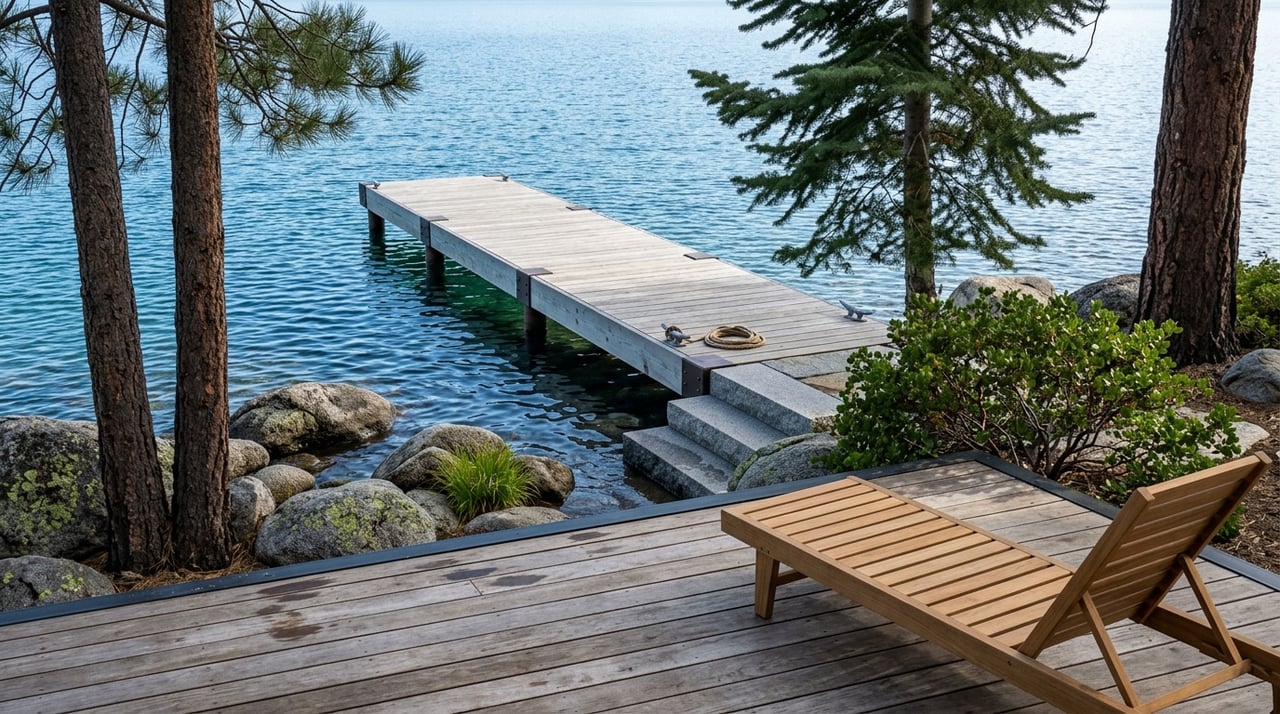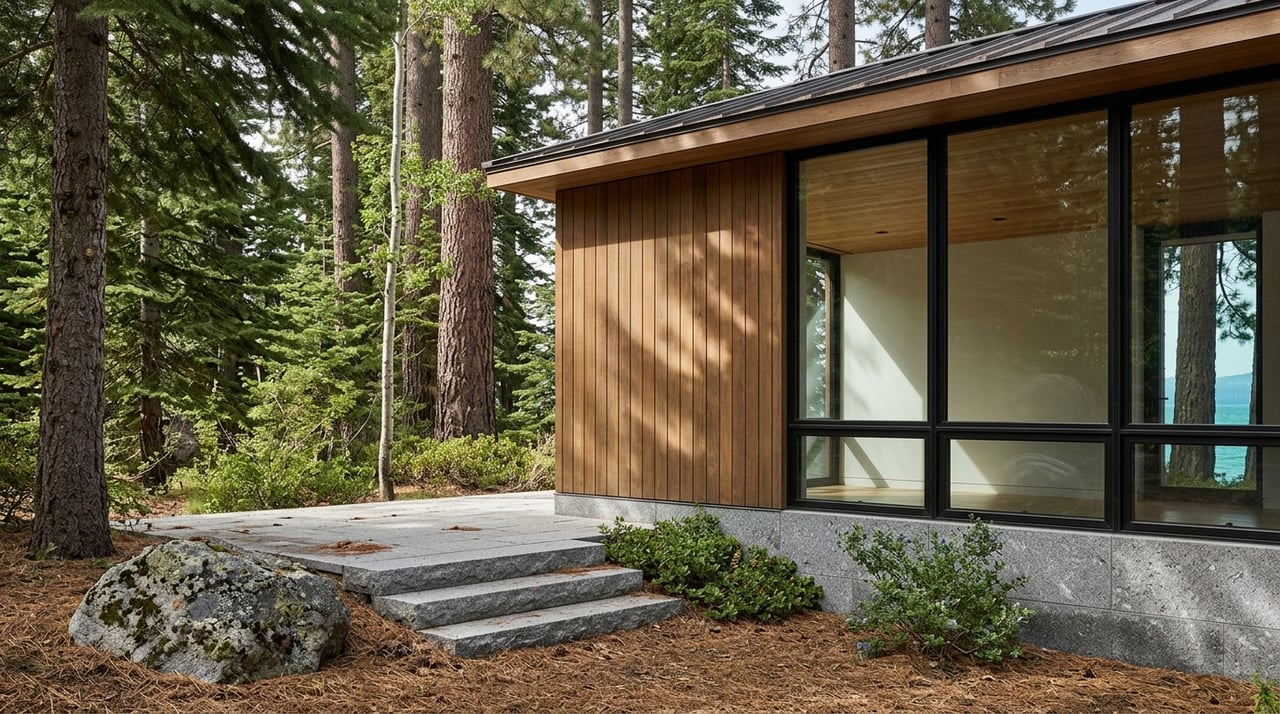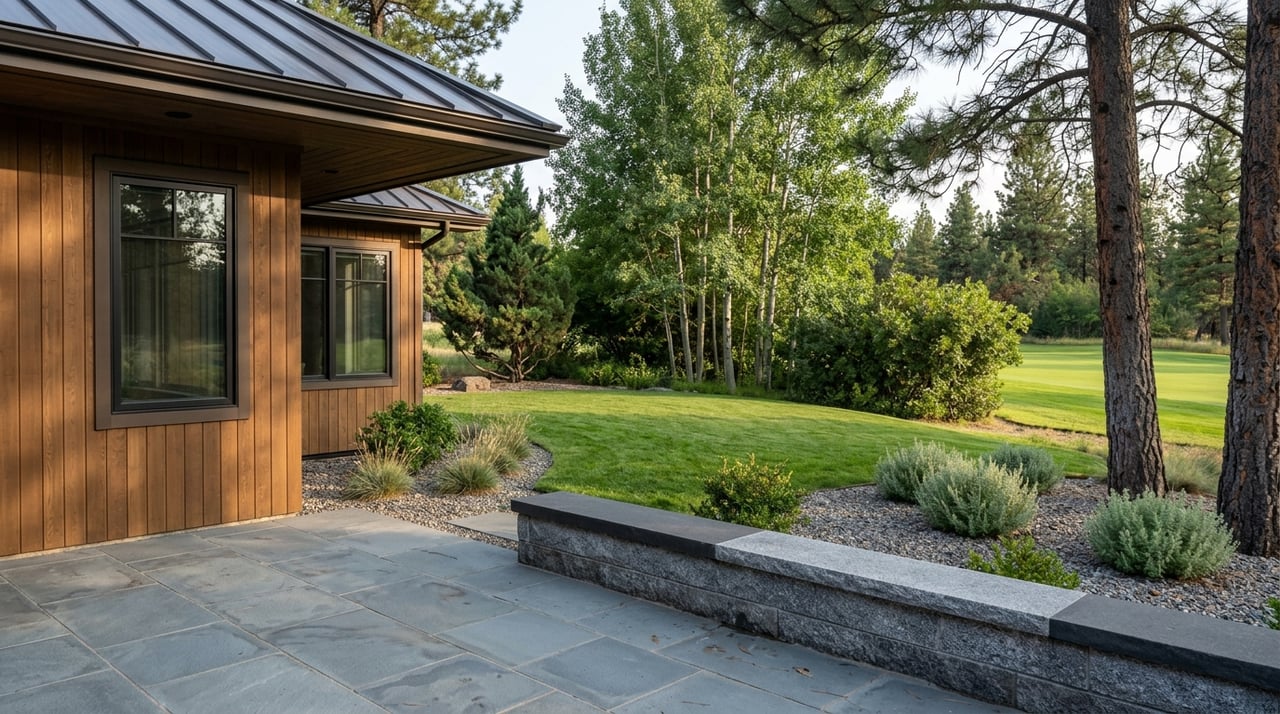
Looking for the Tahoe lifestyle without committing to lakefront pricing or a higher-elevation winter routine? That is exactly why many buyers start looking beyond the shoreline and into Reno, Carson City, and Carson Valley. If you want luxury living with strong access to Tahoe recreation, broader housing options, and easier day-to-day convenience, these three markets deserve a close look. Let’s dive in.
Why Tahoe-adjacent living stands out
Reno, Carson City, and Carson Valley are best understood as complements to Tahoe, not replacements for it. They give you access to the region’s outdoor lifestyle while offering lower-elevation living, different housing choices, and a more flexible everyday setup.
That distinction matters. Lake Tahoe sits at about 6,225 feet at lake level, while Reno is around 4,500 feet, and Douglas County says the Carson Valley floor begins around 4,625 feet. In practical terms, that usually means a cooler lake environment and a somewhat milder day-to-day experience in the valleys below.
For many buyers, that tradeoff is appealing. You can still plan ski days, boating weekends, golf outings, and trail access, but your home base may offer easier errands, more predictable commuting, and a wider range of luxury properties.
Climate and elevation differences
One of the clearest reasons buyers consider these markets is elevation. Visit Reno Tahoe describes Lake Tahoe as roughly 2,000 feet higher than Reno, which helps explain the climate contrast between the two areas.
Reno is known for more than 300 days of sunshine and a high-desert setting. Douglas County describes Carson Valley as arid, with warm summers, moderate winters, and cool evening temperatures. Carson City also highlights its lower elevation compared with Tahoe as a reason it can support year-round access to the Carson River, back-country lakes, and mountain trails.
If you love Tahoe but want a base that can feel more practical through all four seasons, this regional pattern is worth understanding. Lower elevation often means an easier everyday rhythm while keeping Tahoe within reach.
Reno for city convenience
Reno tends to fit buyers who want luxury living with the strongest urban infrastructure in the region. If you value restaurants, retail, airport access, and planned communities, Reno often rises to the top of the list.
The market context helps explain why. Current snapshots place Reno’s median sale price at $547K, while South Lake Tahoe is at $575K and Incline Village is at $1.73M. These figures come from different sources and should be treated as directional, but they still show a clear pattern: the strongest Tahoe premium tends to show up closest to the lake.
That can create opportunity for buyers who want to stay connected to Tahoe without paying near-lake pricing. Reno offers a broad range of housing options, from newer neighborhood product to higher-end custom homes in established luxury enclaves.
Planned luxury communities in Reno
Reno’s Tahoe-adjacent appeal is especially strong in master-planned communities. Somersett spans 2,391 acres in northwest Reno and includes two golf courses, two clubhouses, and more than 27 miles of hiking and biking trails.
ArrowCreek is another key example. According to its HOA, the community is about 35 minutes from Lake Tahoe and 20 minutes from Reno-Tahoe Airport. For buyers who split time between primary and second-home living, that balance of recreation and logistics can be especially attractive.
Reno for relocation buyers
Reno also stands out for buyers tied to business growth in northern Nevada. Storey County describes the Tahoe-Reno Industrial Center as one of the world’s largest industrial parks and notes major employers there including Tesla’s Gigafactory, Panasonic, Redwood Materials, Walmart, PetSmart, and James Hardie.
That makes Reno especially relevant if your move is connected to logistics, manufacturing, or the broader tech-industrial corridor. It also helps explain why Reno continues to attract relocation buyers who want access to Tahoe without living directly in the basin.
Carson City for balance
Carson City often appeals to buyers who want a quieter setting with strong outdoor access and a central location. As Nevada’s capital, it offers a different pace than Reno while still keeping you connected to Tahoe and the surrounding mountain landscape.
Current market snapshots show Carson City with a median sale price of $490K. Again, these comparisons are directional rather than perfectly matched, but they suggest a lower entry point than many near-lake luxury areas.
That makes Carson City a compelling middle ground. You are not on the lake, but you are also not giving up regional access, outdoor amenities, or a sense of place.
Outdoor access in Carson City
Carson City emphasizes that its lower elevation compared with Tahoe supports year-round recreation. The city points to access to the Carson River, back-country lakes, shoreline access, and mountain trails.
If your version of luxury includes time outdoors rather than just a view, Carson City deserves serious attention. You can build a lifestyle around hiking, golf, and day trips to the lake while keeping your home base in a more low-key setting.
Golf and daily livability
Golf is part of that appeal. Carson City’s local options include Eagle Valley Golf Courses, with two 18-hole layouts, and Empire Ranch, an 18-hole championship course just minutes from downtown.
For buyers who want a refined but practical lifestyle, this combination can be hard to beat. Carson City offers everyday functionality with access to recreation that feels close at hand rather than reserved for weekends only.
Carson Valley for land and open space
If your vision of luxury includes larger parcels, ranch properties, or a more open-country feel, Carson Valley may be the strongest fit of the three. Douglas County describes the area as a place where miles of open space, expansive ranches, and farms remain part of the landscape.
This gives Carson Valley a different character from Reno and Carson City. It is less about urban convenience and more about space, views, land, and breathing room.
That does not mean giving up access. Douglas County’s fact sheet says Carson Valley is 12 miles west of Lake Tahoe, 12 miles north of Carson City, and 45 miles from Reno, with 300 days of sunshine and valley-floor elevation above 4,700 feet.
A strong fit for ranch and estate buyers
For buyers seeking larger lots or a property with room to spread out, Carson Valley stands out. The area’s identity is closely tied to open land, outdoor recreation, and a more spacious pattern of living.
This can be especially appealing if you are looking for a second home with a different type of luxury experience. Instead of prioritizing shoreline access, you may be prioritizing acreage, privacy, equestrian potential, or broad mountain views.
Golf and aviation access
Carson Valley also offers recreation that supports that lifestyle. Carson Valley Golf Course presents itself as a short drive from South Lake Tahoe and open year-round.
For buyers who value private aviation, Minden-Tahoe Airport is another notable advantage. Douglas County describes it as a world-class recreational aviation airport in the heart of Carson Valley and notes that it is a short distance from Lake Tahoe.
Comparing the three markets
Each of these markets can support a Tahoe-adjacent luxury lifestyle, but they do so in different ways. The right fit usually comes down to how you want your home to function when you are not out on the lake or in the mountains.
| Area | Best fit for | Lifestyle strengths |
|---|---|---|
| Reno | Buyers who want city access and planned communities | Airport convenience, master-planned neighborhoods, trails, golf, access to regional job growth |
| Carson City | Buyers who want balance and a quieter setting | Central location, year-round outdoor access, golf, practical daily living |
| Carson Valley | Buyers who want land and open space | Larger lots, ranch feel, golf, aviation access, proximity to Tahoe recreation |
What pricing suggests
Pricing is one of the clearest signals in this conversation. Incline Village’s median sale price of $1.73M sits well above current snapshots for Reno and Carson City, while South Lake Tahoe is also above Reno and Carson City at $575K.
That does not mean Tahoe-adjacent markets are lesser options. It means they often offer a different value equation. You may gain more space, easier access to everyday services, or a broader range of luxury inventory while still staying connected to the Tahoe lifestyle.
Douglas County also shows a median list price of $859K, which points to a different price profile in Carson Valley than in Carson City or Reno. For luxury buyers, that may reflect the appeal of larger lots, estate properties, and more land-oriented inventory.
Access matters in luxury buying
Luxury is not only about the home itself. It is also about how easily you can move through your life. That is why airport access and regional connectivity often matter more than buyers first expect.
Reno-Tahoe International Airport is the region’s commercial airport and the closest major airport to Lake Tahoe. The airport authority says it serves the Reno-Tahoe region with 10 airlines and more than 130 daily flights, and it reported 4.9 million passengers in 2025.
If you are buying a second home, relocating for work, or planning frequent travel, that can make Reno especially appealing. Carson City and Carson Valley can also benefit from that same regional access while offering a different lifestyle on the ground.
A Nevada tax point buyers often ask about
For relocation buyers, Nevada’s tax structure often enters the conversation early. Nevada does not impose a state personal income tax on individuals.
That fact alone should not drive a move, but it is often part of a broader decision about where and how you want to live. In a Tahoe-adjacent search, it can add another layer of appeal for buyers comparing Nevada options with higher-tax states.
How to choose your best fit
A simple way to narrow your search is to focus on your daily priorities first. Think about where you want convenience, where you want privacy, and how often you expect to be moving between home, the airport, and Tahoe recreation.
You may want Reno if you value neighborhood amenities and city services. You may prefer Carson City if you want a steadier pace and a central location. You may lean toward Carson Valley if your priority is land, views, and a more open setting.
For many luxury buyers, the answer is not whether Tahoe-adjacent living is good enough. It is whether it may actually be the smarter long-term fit.
If you are weighing Tahoe itself against nearby Nevada markets, a focused local strategy can save time and sharpen your options. Scott Beenk helps buyers and sellers navigate luxury real estate across the Tahoe and Nevada corridor with clear guidance, local perspective, and a discreet, high-touch approach.
FAQs
Is Reno a good alternative to living at Lake Tahoe?
- Reno can be a strong Tahoe-adjacent option if you want city convenience, planned communities, airport access, and lower-elevation living while staying connected to Tahoe recreation.
How does Carson City compare with Reno for luxury buyers?
- Carson City generally offers a quieter setting, a central location, golf and trail access, and a different pace of daily living than Reno.
What makes Carson Valley different from Reno and Carson City?
- Carson Valley is most associated with open space, ranches, farms, larger lots, golf, and aviation access, which gives it a more land-oriented luxury profile.
Are Reno, Carson City, and Carson Valley cheaper than Tahoe?
- Current market snapshots suggest these areas are often priced below near-lake markets such as Incline Village, though buyers should treat the reported figures as directional comparisons rather than exact equivalents.
Does Nevada have a state personal income tax for homebuyers?
- Nevada does not impose a state personal income tax on individuals, which is one reason some relocation buyers consider Nevada markets.
Which Tahoe-adjacent market is best for airport access?
- Reno is typically the strongest choice for commercial airport access because Reno-Tahoe International Airport serves the region and is the closest major airport to Lake Tahoe.